Interior Design
Interior design is a creative discipline that requires attention to detail and communication skills to work effectively with clients and other professionals involved in the project, such as architects and contractors. In addition, it is important to keep updated on trends and advances in the field of interior design in order to offer modern and functional solutions to clients.
It is a creative discipline that focuses on planning and decorating the interior spaces of buildings, whether residential, commercial or institutional, with the objective of creating functional and aesthetically pleasing environments. Steps to follow to carry out an interior design project:
Collection of information
Before beginning any project, it is essential to meet with the client to understand their needs, preferences and budget. This includes discussing the purpose of the space (residential, commercial, etc.), the number of people who will be using it, and any specific ideas the client has in mind.
Research and concept
Research design trends, styles, materials and colors that fit the project. Develop a concept or theme for the space that will guide all design decisions.
Spatial planning
Design the space efficiently, taking into account furniture distribution, circulation and functionality. Uses plans and drawings to visualize the layout of elements such as doors, windows and walls.
Selection of materials and finishes
Choose the materials and finishes that fit the design concept and the client’s budget. This includes flooring, wall coverings, ceilings, textiles and furniture.
Lighting
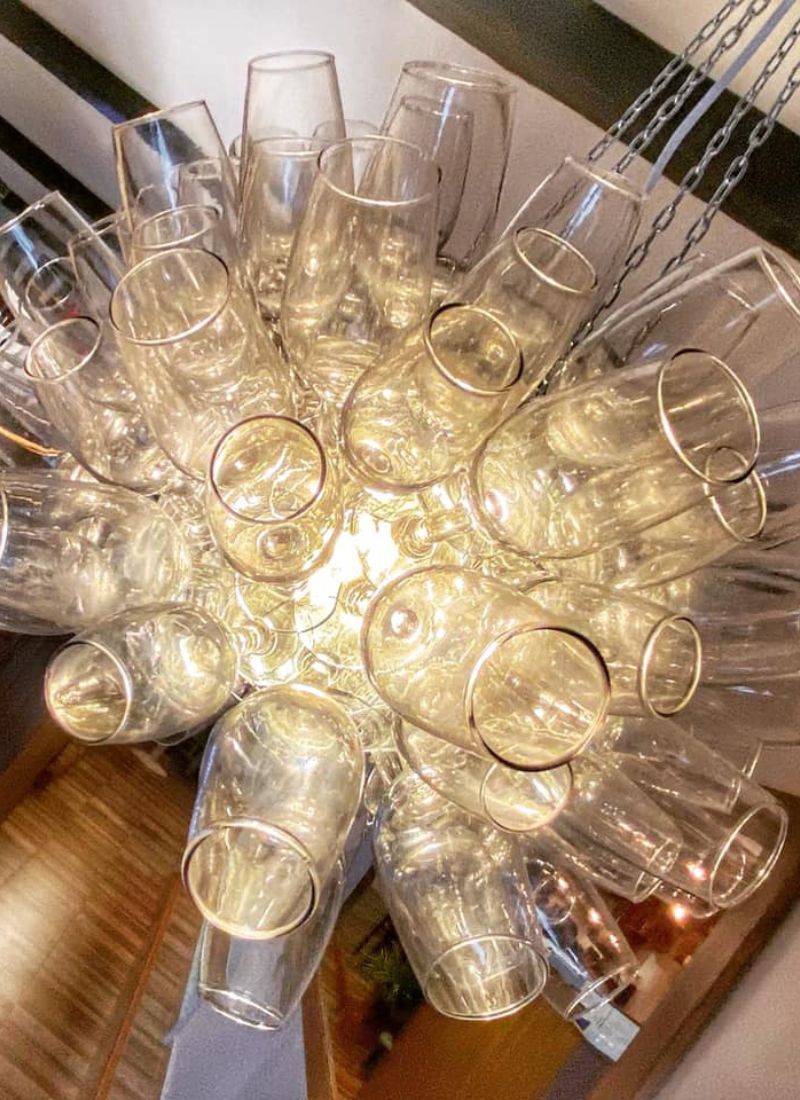
Lighting is essential in interior design. Consider natural and artificial lighting to create suitable environments. You can use a combination of general, ambient and focused lighting.
Furniture and accessories
Select furniture and accessories that integrate with the design and function of the space. Make sure they are comfortable and ergonomic if it is a frequently used space.
Color and color palette
Choose a color palette consistent with the design concept and the mood you want to create. Colors have a great impact on the perception of space.
Decoration and details
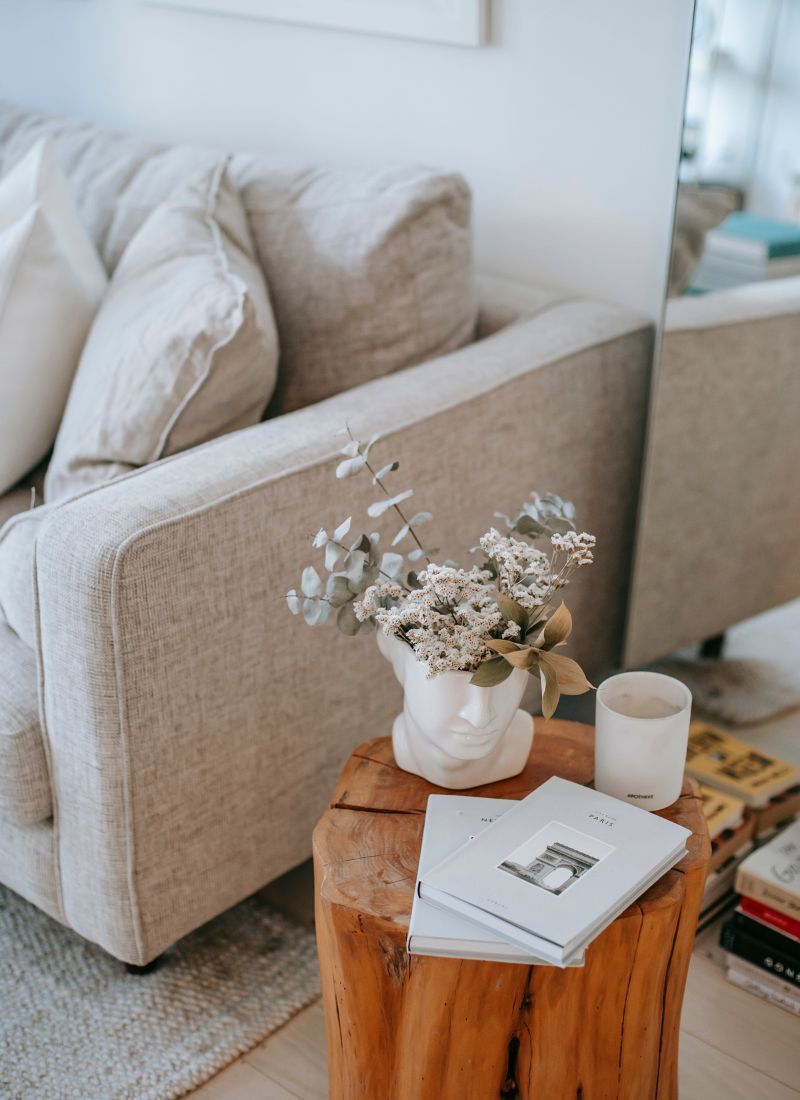
Add decorative elements such as paintings, cushions, curtains, rugs and decorative objects that complement the design and add personality to the space.
Sustainability
It considers sustainable design options, such as the use of environmentally friendly materials, energy efficiency and waste management.
Budget and cost planning
Keep a detailed record of the costs associated with the project and make sure to keep the design within the budget established by the client.
Project management
Closely monitors the project to ensure that deadlines are followed and quality standards are met.
Execution and follow-up
Coordinate the execution of the project, supervising the installation of materials and placement of furniture. Follow up to ensure that the design is implemented as planned.
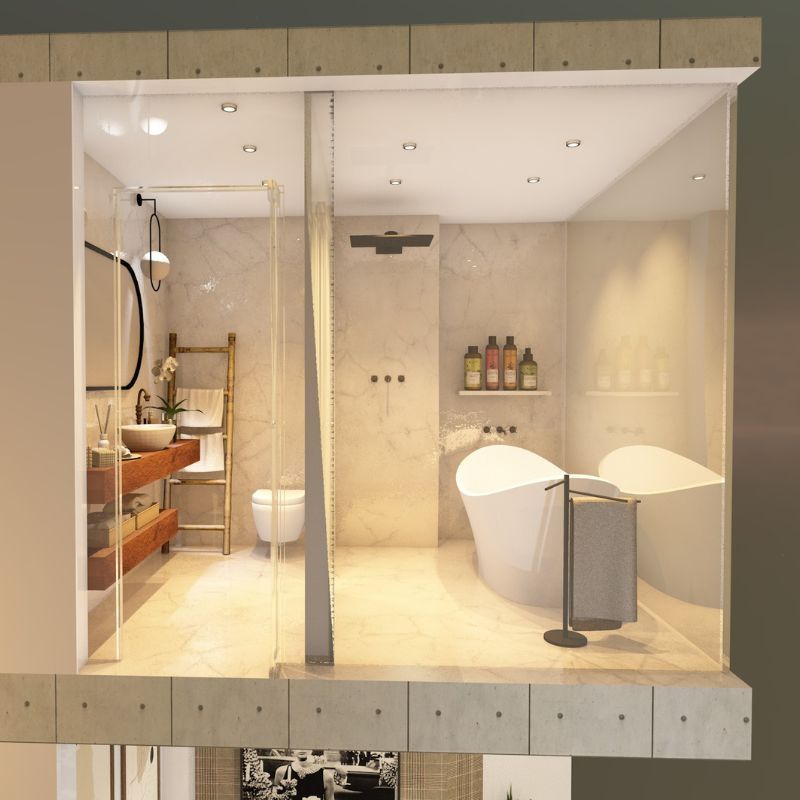
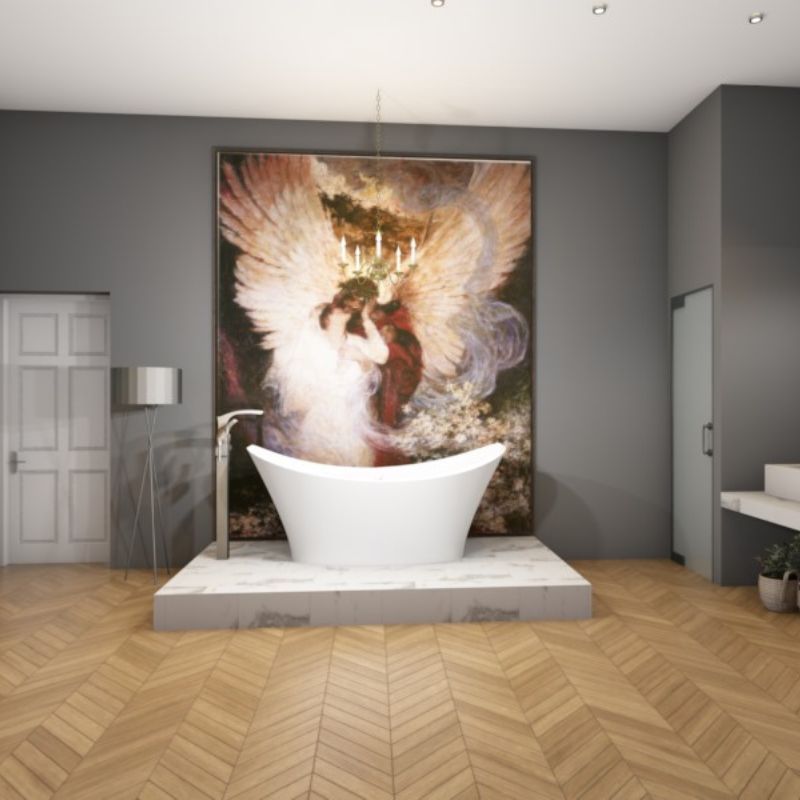
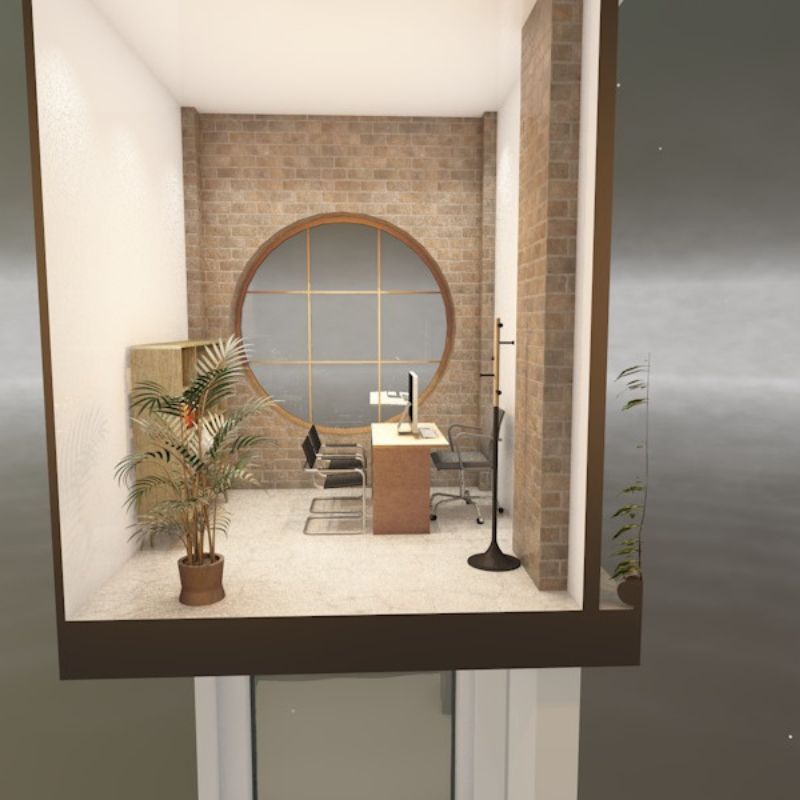
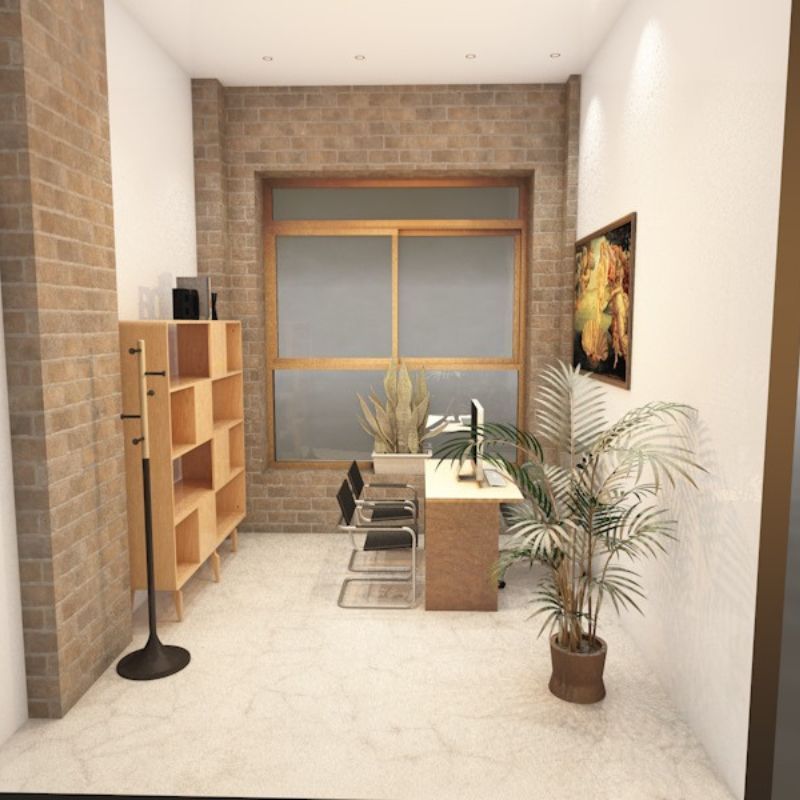
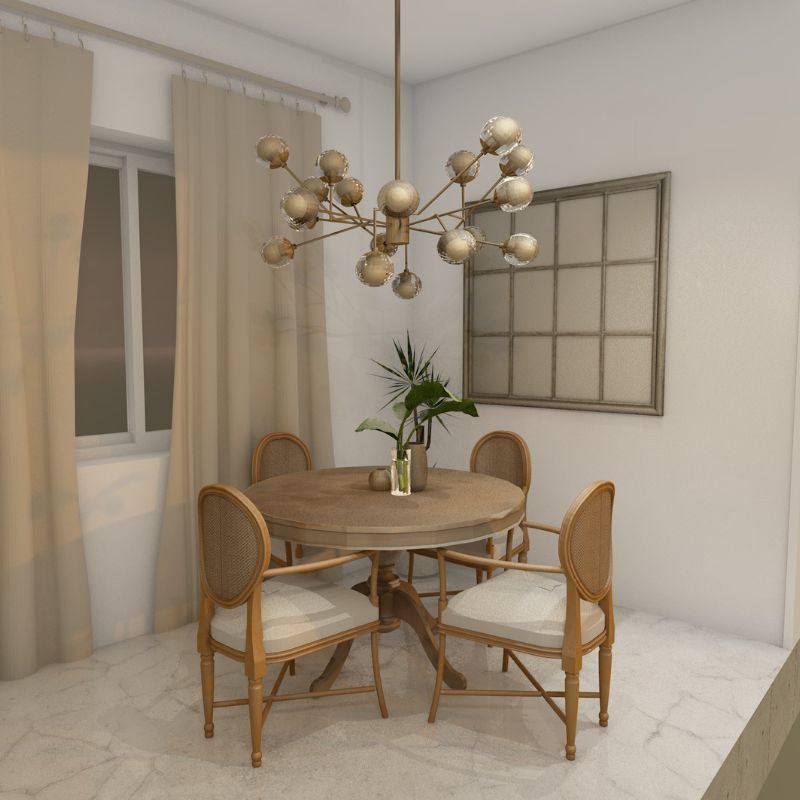
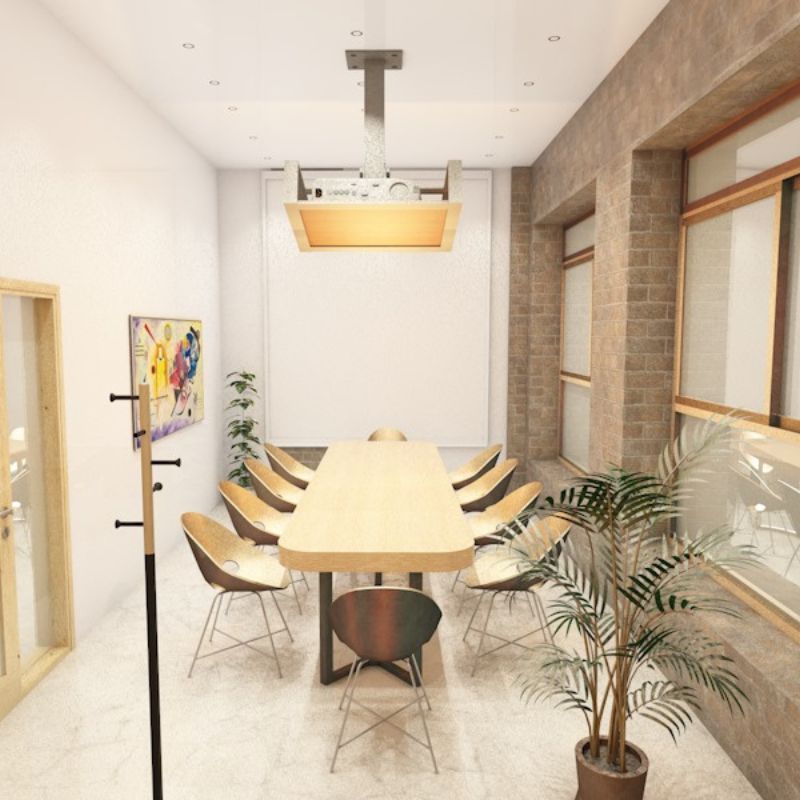
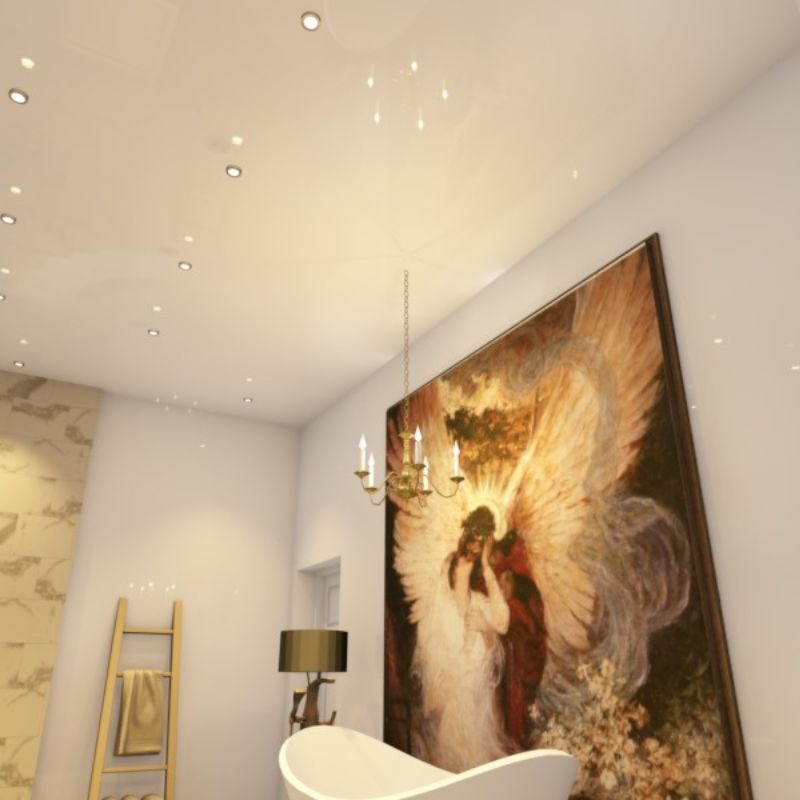
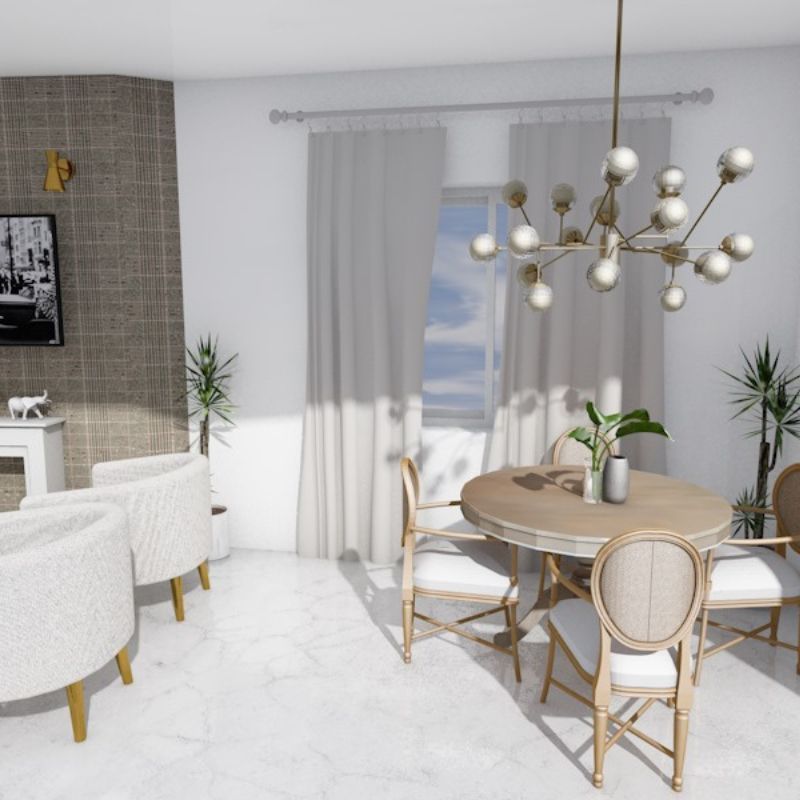
To visualize the projects we make renders so that the client can visualize his project, before the execution, so if there were to change any detail we would be on time and of course it would be the confirmation that it is what he is looking for and wants.
Prepare your most special event
Discover our Interior Design service
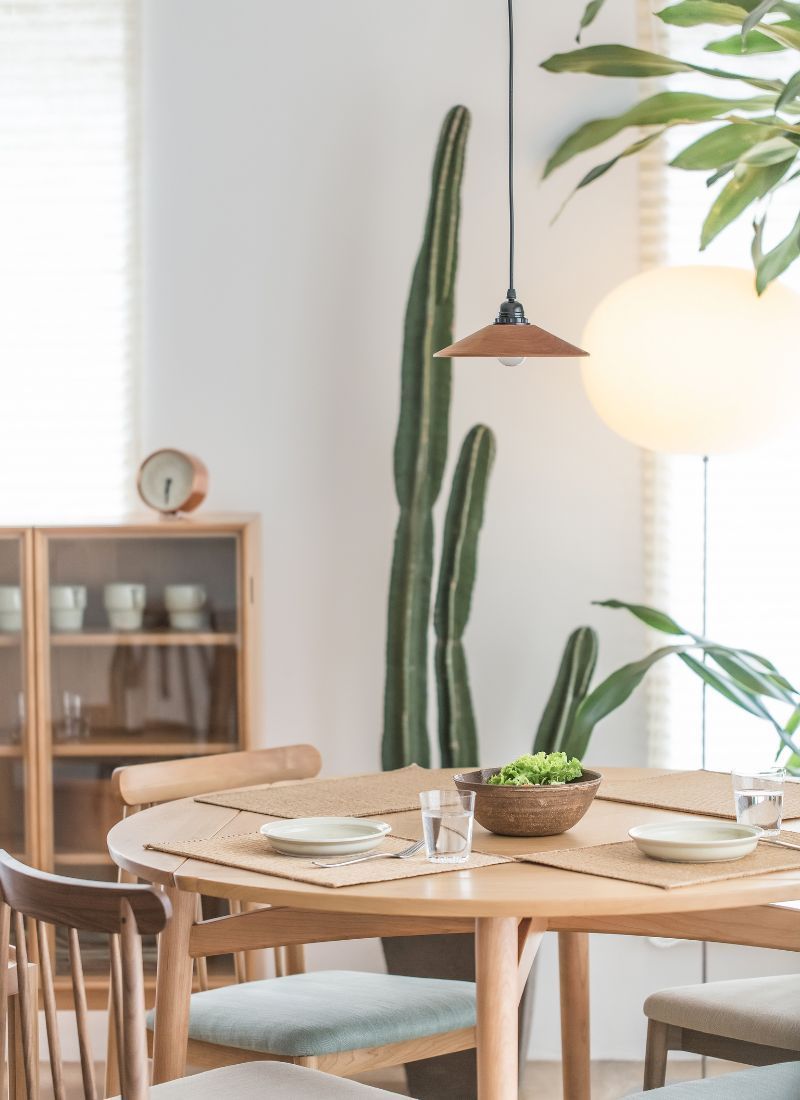
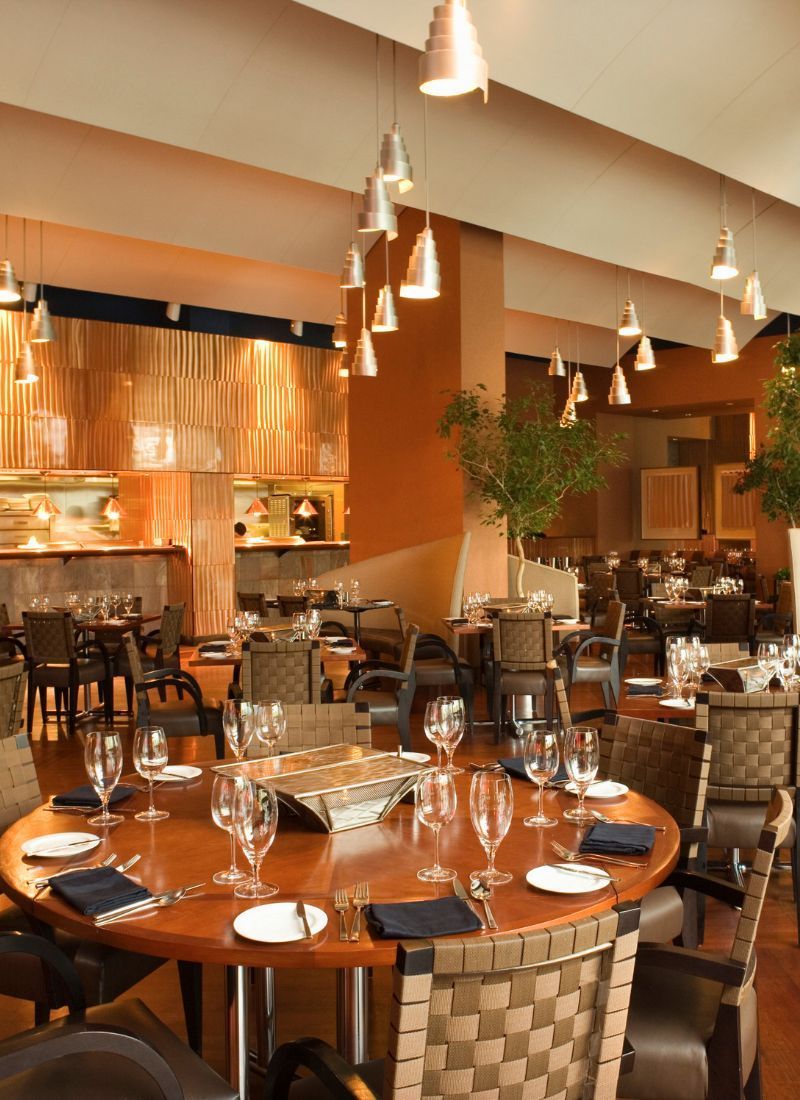
Tailor-made projects
We adapt to you and your needs.